TL;DR
Should you go to urgent care for severe cold sores or mouth ulcers? Most of these irritations heal on their own within one to two weeks. However, if sores are unusually painful, large, persistent, frequently recurring, or accompanied by fever or difficulty eating and drinking, urgent care can help identify the cause and provide treatment.
Why has eating suddenly become so painful?
Brushing your teeth stings.
Even talking feels uncomfortable—sometimes downright unbearable.
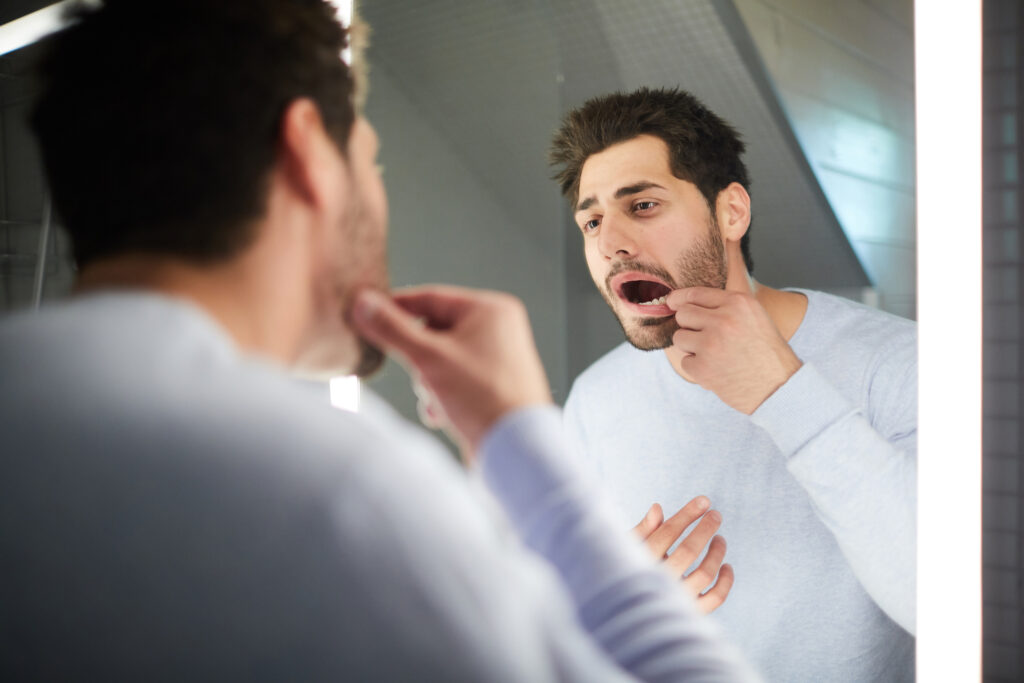
You take a look in the mirror and spot a sore on your lip or maybe inside your mouth. It seemed small enough yesterday, but today it’s impossible to ignore.
What’s causing it? And more importantly, can urgent care help in any way?
The answer depends on what’s causing the sore, how severe it is, and whether it’s showing signs of something more serious.
Cold Sores vs. Mouth Ulcers: What’s the Difference?
Although often confused, cold sores and mouth ulcers (also called canker sores) are two different conditions. Understanding the difference can help you choose the right treatment—and know when it’s time to seek medical care.
Cold Sores
Cold sores are caused by the herpes simplex virus (HSV-1). They usually appear on or around the lips and often begin with tingling, itching, or burning before small blisters develop.
Once infected, the virus remains dormant in the body and can reactivate periodically, causing future outbreaks.
Mouth Ulcers (Canker Sores)
Ulcers develop inside the mouth — on the cheeks, gums, tongue, or inside the lips. Unlike cold sores, they are not contagious and are not caused by the herpes virus.
Instead, they’re believed to result from inflammation or irritation, although the exact cause isn’t always clear.
What Causes Cold Sores and Mouth Ulcers?
While both conditions can be painful, their causes are very different. Identifying what triggered the sore may help prevent future outbreaks.
Common cold sore triggers include:
- Illness or fever
- Emotional stress
- Fatigue
- Sun exposure
- Hormonal changes
- A weakened immune system
Common, non-viral causes of mouth ulcers include:
- Minor injuries from biting your cheek or brushing too hard
- Dental appliances or braces
- Emotional stress
- Acidic, spicy, or highly abrasive foods
- Vitamin deficiencies, particularly vitamin B12, folate, or iron
- Certain medications
- Food sensitivities
- Autoimmune or inflammatory conditions
Occasional mouth ulcers are common, but frequent or unusually severe ulcers should be evaluated by a medical provider.
Symptoms to Watch For
The appearance and symptoms often provide clues about which type of sore you’re dealing with.
Cold sore symptoms may include:
- Tingling, itching, or burning before the sore appears
- Small, fluid-filled blisters
- Crusting as the sore heals
- Tenderness around the lips
- Mild swelling
Mouth ulcers are often accompanied by:
- Round or oval sores with a white, yellow, or gray center
- A red border that surrounds the ulcer
- Pain when eating, drinking, brushing, or speaking
- Sensitivity to acidic or spicy foods
Most cold sores and canker sores improve within one to two weeks
Can Mouth Sores Be Prevented?
While neither condition can always be prevented, understanding your personal triggers can help reduce future episodes.
To help prevent cold sores:
- Wear lip balm with SPF outdoors
- Get adequate sleep
- Manage stress
- Avoid sharing drinks, utensils, towels, or lip products during an active outbreak
To help reduce mouth ulcers:
- Practice good oral hygiene
- Use a soft-bristled toothbrush
- Avoid foods that consistently irritate your mouth
- Eat a balanced diet rich in vitamins and minerals
- Address poorly fitting dental appliances with your dentist
Small lifestyle changes can often make a big difference for people who experience recurring sores.
When to Go to Urgent Care for Severe Cold Sores or Mouth Ulcers
Most mouth sores improve without prescription treatment. However, it’s time to seek medical attention if they’re becoming difficult to manage or aren’t healing as expected.
Visit FirstCall Medical Center if:
- The sores are extremely painful
- They make it difficult to eat or drink
- Symptoms last longer than two weeks
- You experience frequent outbreaks
- The sores become unusually large or widespread
- You develop fever or swollen lymph nodes
- You have a weakened immune system
Our providers can determine whether you’re dealing with a cold sore, a canker sore, another type of mouth ulcer, or an entirely different condition requiring treatment.
When to Go to the Emergency Room
While most cold sores and mouth ulcers aren’t emergencies, you should seek immediate medical care if you experience:
- Difficulty breathing
- Significant swelling involving the mouth or throat
- Inability to swallow liquids
- Signs of severe dehydration
- High fever with rapidly worsening mouth sores
- A severe allergic reaction affecting your lips, mouth, or tongue
These symptoms may indicate a more serious medical condition requiring emergency treatment.
How FirstCall Can Help
At FirstCall Medical Center, we understand how disruptive painful mouth sores can become. Whether they’re making it difficult to eat, speak, or simply get through your day comfortably, our team is here to help.
Our practitioners can:
- Examine the sores and determine the underlying cause
- Prescribe antiviral medications for cold sores when appropriate
- Recommend prescription mouth rinses or topical medications for painful ulcers
- Evaluate for secondary bacterial infections
- Help identify possible underlying causes if sores recur frequently
- Refer you for additional evaluation if necessary
Cold sores and mouth ulcers may be common, but that doesn’t mean you have to live with the pain. If mouth sores are interfering with eating, drinking, speaking, or aren’t healing as expected, it’s time to seek medical attention.
The team at FirstCall Medical Center can help identify what’s causing your symptoms, recommend effective treatment, and help you get back to eating, talking, and smiling comfortably.
***
FAQs
Are cold sores contagious?
Yes. Cold sores are caused by HSV-1 and can spread through close personal contact, particularly while blisters are active.
Are canker sores contagious?
No. Canker sores (mouth ulcers) cannot be spread from person to person.
Should I see a doctor if I keep getting mouth ulcers?
Yes. Frequent or persistent mouth ulcers may be related to nutritional deficiencies, medications, autoimmune disorders, or other underlying medical conditions.