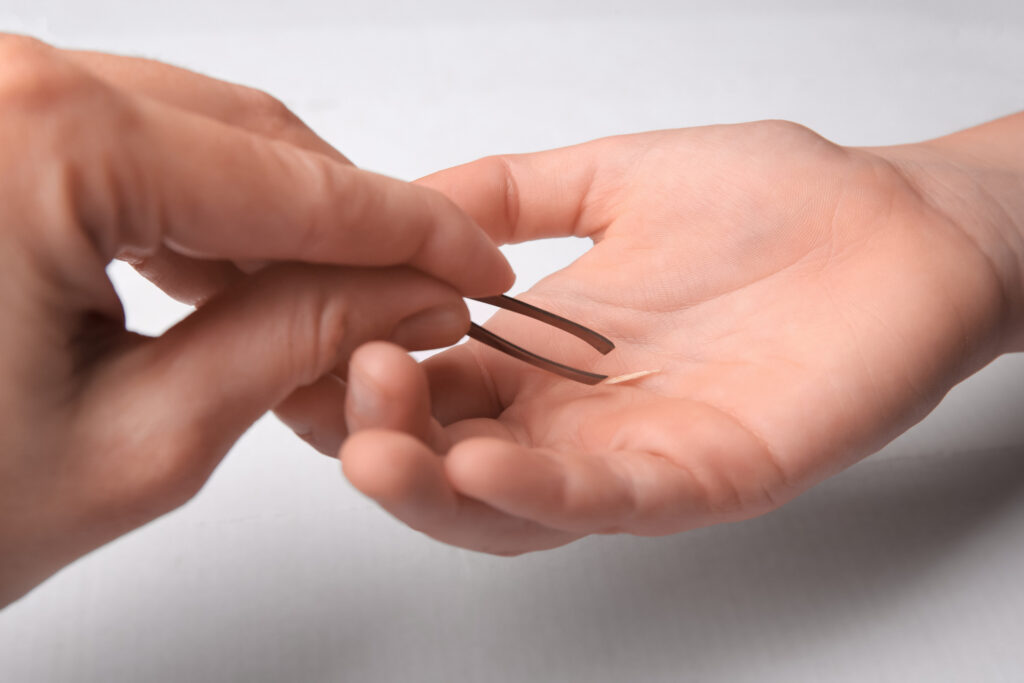
Most of us have experienced the annoyance of a splinter or small object getting stuck under our skin. Whether it’s a wood chip from a weekend project, a piece of glass from a broken dish, or a metal shaving from the workshop, minor injuries like these are all-too common.
But when is a splinter just a minor nuisance—and when should you seek medical attention at urgent care?
What Is a Splinter or Embedded Object?
A splinter is a small, thin fragment of material—usually wood, glass, metal, or plastic—that becomes lodged just under the skin. An embedded object is a broader term that can refer to anything (large or small) that gets stuck in the body’s soft tissue.
Can I Remove a Splinter at Home?
Good news! Most tiny, superficial splinters can be safely removed at home. Here’s how:
- Wash your hands and the affected area with soap and water.
- Sterilize tweezers and a needle with rubbing alcohol.
- Gently tease out the splinter in the same direction it entered.
- Clean the wound and apply antibiotic ointment and a bandage.
If the splinter is easy to see and grasp, and you’re able to remove it without much discomfort, you likely don’t need to seek professional care.
Should I Go to Urgent Care for a Splinter or Embedded Object?
Sometimes, home removal just isn’t possible (or safe). Additionally, a splinter or embedded object that isn’t removed properly can cause:
- Infection (swelling, redness, pus, or spreading redness)
- Abscess (a painful, pus-filled lump)
- Tissue damage or delayed healing
Rarely, deep or contaminated objects can cause more serious infections that may spread and require more extensive care.
Seek urgent care at FirstCall Medical Center if:
- The splinter or object is deep, large, or hard to see.
- The object is glass, metal, or thorn (some materials can cause infection or react with the body).
- You can’t remove the object entirely, or part of it remains under the skin.
- The affected area is red, swollen, hot, or draining pus (signs of infection).
- The splinter is near the eye or a sensitive area (like under a fingernail).
- You have numbness, tingling, or loss of function in the area.
- You have diabetes, poor circulation, or a weakened immune system (these raise your risk for complications).
How FirstCall Medical Center Can Help
At FirstCall Medical Center, our practitioners can:
- Safely remove deep or hard-to-reach objects.
- Minimize tissue trauma and scarring.
- Treat or prevent infection (antibiotics, if needed).
- Update your tetanus vaccination if required.
- Provide follow-up instructions for wound care.
You don’t need an appointment. Simply drop by for prompt, friendly, and expert care. Our facilities offer on-site X-rays if there’s a concern about deeply embedded glass or metal, ensuring nothing is left behind.
Follow these prevention tips to reduce your risk for splinters and embedded objects.
- Wear gloves whenever working with wood, metal, or glass.
- Sweep or vacuum thoroughly after breaking glass.
- Teach kids not to walk barefoot outdoors or in unsafe areas.
Don’t Wait—Visit FirstCall Medical Center
Most splinters are simple to treat, but if you’re struggling to remove a splinter or suspect there’s something more serious under your skin, it’s always better to err on the side of caution.
FirstCall Medical Center is here for you seven days a week with compassionate, professional care.